
 panarama
Plan a paper purchase for a class, studio or shared art table
Buying for one afternoon of painting and stocking a cupboard for a whole term are different jobs. A small pad is an easy way to discover a surface you like. A roomful of painters needs consistent sheet sizes, enough working space and a way to get wet work home. Start with the finished project and work backward to the supplies list. It can save both money and time cutting paper at the last minute.
Count completed pieces rather than pads
Write down the size of the picture each person will actually paint. Include a margin if the sheet will be taped down, trimmed or mounted. Draw the intended cuts on a scrap sheet the same size as the stock you are considering. Rotating the layout or changing the border slightly can make the difference between two usable pieces and three. Count the pieces after allowing for margins, not just the square inches of paper.
For a class, separate full-size sheets for the main piece from smaller scraps for color tests. Handing out a large fresh sheet for every brush test can use up the pack quickly. Save clean offcuts with the same surface as the main sheet. The color and brush marks on an unrelated scrap may tell the painter little about how the final work will look.
Check the materials list at the level of the actual project
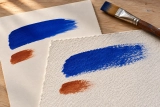
A class list may say “watercolor paper,” but two products fitting that description can feel quite different under a brush. Ask the teacher whether the exercise depends on soft washes, sharp-edged shapes, dry-brush texture or painting on a dark ground. If everyone will be following the same demonstration, ask whether a particular surface or shade matters more than the paper brand.
For shared supplies, label samples with the brand, range, surface, weight and color. Two white sheets looking similar under classroom lights may behave differently when wet. A labeled set lets the next painter repeat a successful choice. It also makes it easier to order the same range again when the packaging from the first pad has disappeared.
Allow space to work, dry and travel
A paper block takes up a different amount of shared-table space than loose sheets taped to boards. Measure the table and the boards you already own before committing to a large format. Leave room for a water container and palette. A size that fits an empty desk may be uncomfortable once two people sit side by side.
Decide how finished pieces will leave the room. Paintings that are still damp need time and a place to dry before stacking. Check the inside dimensions of folders or portfolios, especially if the artwork must travel on public transport. For a recurring workshop, ordinary flat storage between sessions can make a convenient format more valuable than a small saving on each sheet.
Make a first order that teaches you something
If two surfaces look equally promising, start with a sample or the smallest practical pack of each. Use the actual paint, brushes and exercise from the class. Keep the better sample next to its label and note why it suited the job. A repeat order based on a finished piece is easier to justify than a cupboard full of paper bought on a promising product photograph.