
 panarama
Buying sports footwear for a club season
A pair that works for one athlete can be a poor buy for another member of the same club. Training frequency, the facility’s floor rules and the chance that a growing athlete will need another size all affect the decision. The fencing footwear guide above covers options for that sport. Start here if you are planning an individual purchase, a family budget or an order for several club members.
Ask the venue before ordering
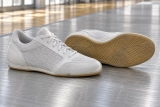
Find out which footwear the venue allows on its training surface and whether shoes must be reserved for indoor use. Ask separately about practice and competition if you expect to use the pair at both. If the reply mentions a particular sole or marking, keep the wording so you can compare it with the manufacturer’s description. Sole color by itself does not tell you everything about a shoe’s construction.
For a beginner, check what the club can lend and for how long. A short loan may give the athlete time to try a size before paying for a pair. A club that lends jackets or other equipment may still expect members to bring their own shoes. Clarifying that policy early makes it easier to decide which part of a starter budget needs to go toward footwear.
Use one size record per athlete
Write down the measurements requested by the shoe maker, the size system it uses and the training socks worn for the fitting. US adult, youth and international size markings can appear together on a listing. Go by the chart for the specific model. If a seller does not identify the size system, ask before placing a group order.
For a family or club fitting, record which model and width each athlete tried. Do not rely on a shared list that says only “size seven.” One participant may have tried a youth shoe, another a narrow adult model. If someone uses an insole or needs a particular fit, leave time to check it in person with the intended equipment.
Compare the cost of a season
Think about how often the athlete trains and which parts of a previous shoe wore first. A parent buying for a growing beginner may value an exchange option more than extra reinforcement. Someone who trains several times each week may be willing to pay more for a model whose fit they already know. These are individual trade-offs even if everyone trains on the same floor.
Ask about the return conditions before a fitting. A retailer may treat an indoor try-on differently from a shoe that has already been used in training. Keep the original packaging and the labels matched to each pair. For a bulk order, record who is responsible for return postage and what happens if only one athlete needs a different size.
Make the next order simpler
Keep a short note after the first few sessions about fit, comfort and the surface used. Record the full model designation alongside the size so you can distinguish a true reorder from a new version with a similar name. When the pair eventually wears out or is outgrown, use those notes to decide what should stay the same at the next fitting.