
 panarama
What to check before replacing a zipline trolley
A zipline trolley purchase starts with the documentation for the line already in service. Two trolleys can look almost identical on a store page while their instructions call for different lines or braking arrangements. Ask the system maker, installer or course operator which replacements it approves for that particular installation. If you are shopping for a complete new system, a price for a trolley alone covers only one component of the purchase.
Which details identify the right replacement?
Use the manufacturer’s product reference and revision when requesting a quote. Note the line material and size listed in the system records, the existing brake model and the approved configuration. If the seller uses a shortened name, ask for a photo of the product label or the current technical sheet. With used or older equipment, the number on the body can be more informative than the name on an old receipt.
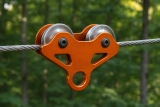
The shape of the wheel gives you only part of that information. The manufacturer’s notice specifies the supported application. Petzl, for example, publishes guidance specifically about its TANDEM SPEED trolley on cable. Read the notice that accompanies the candidate model and have the operator confirm it against the system documentation. Petzl TANDEM SPEED guidance.
What is included in the quoted price?
Put the contents of competing offers into the same units. One box might contain a single trolley body. Another might add connectors, a handle or a storage bag. A photograph of an assembled kit can show accessories that the seller prices separately. Ask which part numbers will arrive and whether each accessory appears on the operator’s approved list. An extra item has little value to a course that cannot use it.
For a fleet, ask the seller for the price and availability of the next identical unit as well. A discounted last item may be economical for one approved replacement. Several different models can mean additional inspection sheets, separate spare parts and more work for the person tracking the fleet. Compare the delivered price for the number actually required, including shipping on any accessories ordered separately. For example, if one bundle includes a connector the course already stocks, count its value only if it is the exact approved spare your team would otherwise have to buy. Record the supplier and stock designation so a colleague can repeat the order.
Who will service and track the trolley?
Look for a legible serial or batch identifier, an inspection document for the model and a way to contact the manufacturer. Ask which components the maker allows a user to replace and which require service or retirement. A catalog listing for a similar-looking wheel does not establish that the wheel belongs in your trolley. For a course with limited downtime, the availability of authorized service can matter as much as the initial purchase price.
Give the equipment manager the model number before paying for secondhand stock. They can check the manufacturer’s recall notices and decide whether the unit’s history meets their requirements. Keep the receipt, manual and supplier details with the fleet records when the order arrives. Make your final comparison between models the operator has approved, then weigh purchase cost, service access and what the supplier can provide when a unit comes out of rotation.