panarama
The best sewing machine for quilting a first throw is the Brother CS7000X. Its walking foot keeps the layers feeding together, and its other included feet let beginners try accurate piecing and free motion quilting without buying more tools. For quilters making a larger project, one of the most useful features is throat space. If a bed quilt catches under the arm, a longer stitch menu cannot help you turn it. The four picks below show which features ease that work and which feet come in each set.
As an Amazon Associate I earn from qualifying purchases.
For classes, the Janome 3160QDC-G combines a light body with a hard cover and thread cutter. Consider your skill level and your next project. For larger quilts, the JUKI offers a six-inch-high throat. For appliqué as well as wide tops, the Janome MC6650 adds a ten-inch-wide opening and a zigzag stitch.
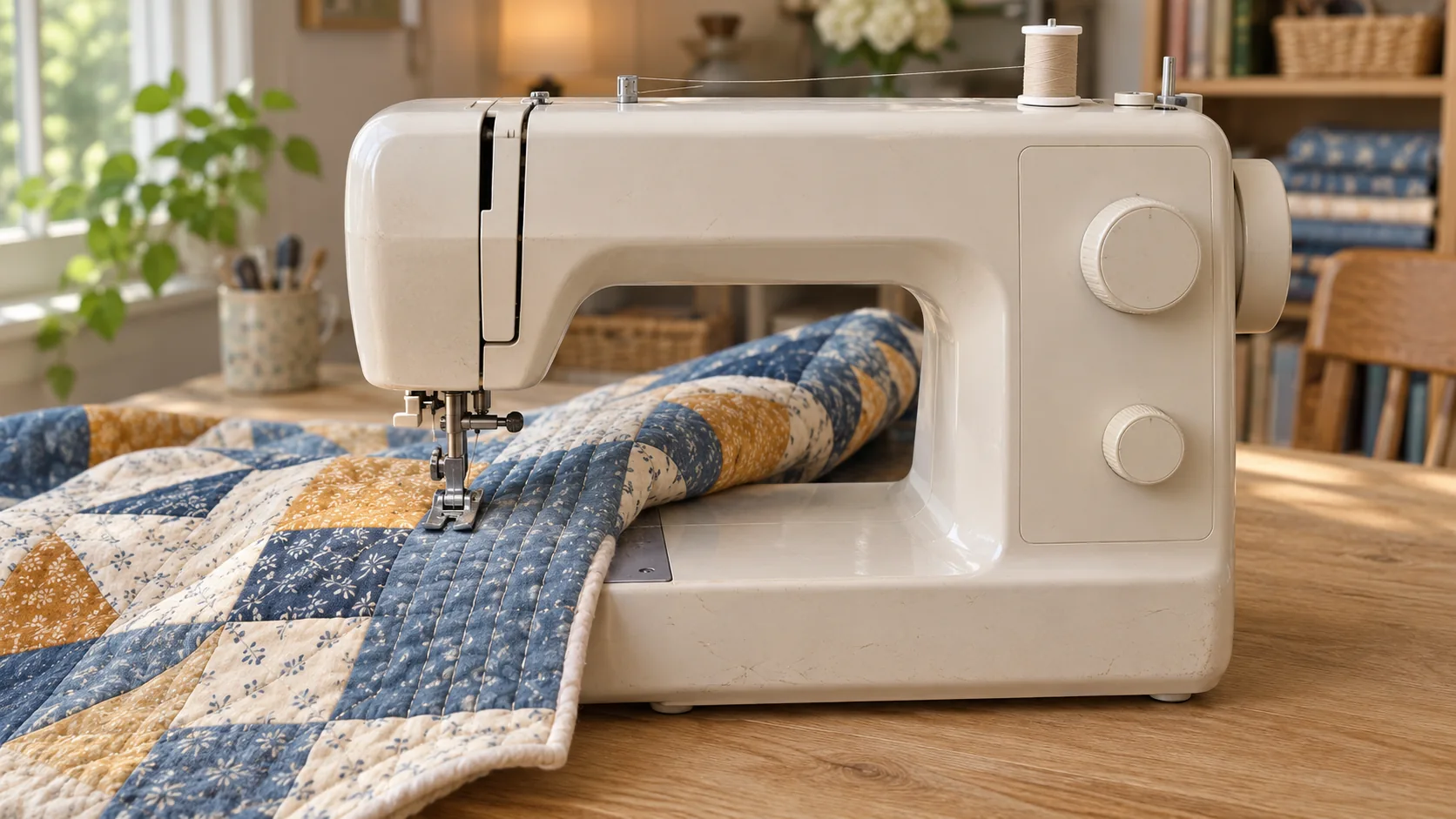
Quilting machine comparison by throat space and project size
| Model | Best fit | Opening to the right of the needle | What to check |
|---|---|---|---|
| Brother CS7000X | First quilt and everyday sewing | Dimensions unspecified in Brother’s US listing | Walking, piecing and free-motion feet included |
| Janome 3160QDC-G | Classes and piecing | 6.8 inches wide × 4.5 high | Choose the Bonus Quilt Kit for the walking and darning feet |
| JUKI TL-2010Q | Dedicated straight stitching | 8.5 inches wide × 6 high | No zigzag or buttonholes |
| Janome Memory Craft 6650 | Large quilts and decorative work | 10 inches wide × 4.7 high | Even-feed foot included in this bundle, optional with the standard machine |
Best quilting machine for beginners: Brother CS7000X
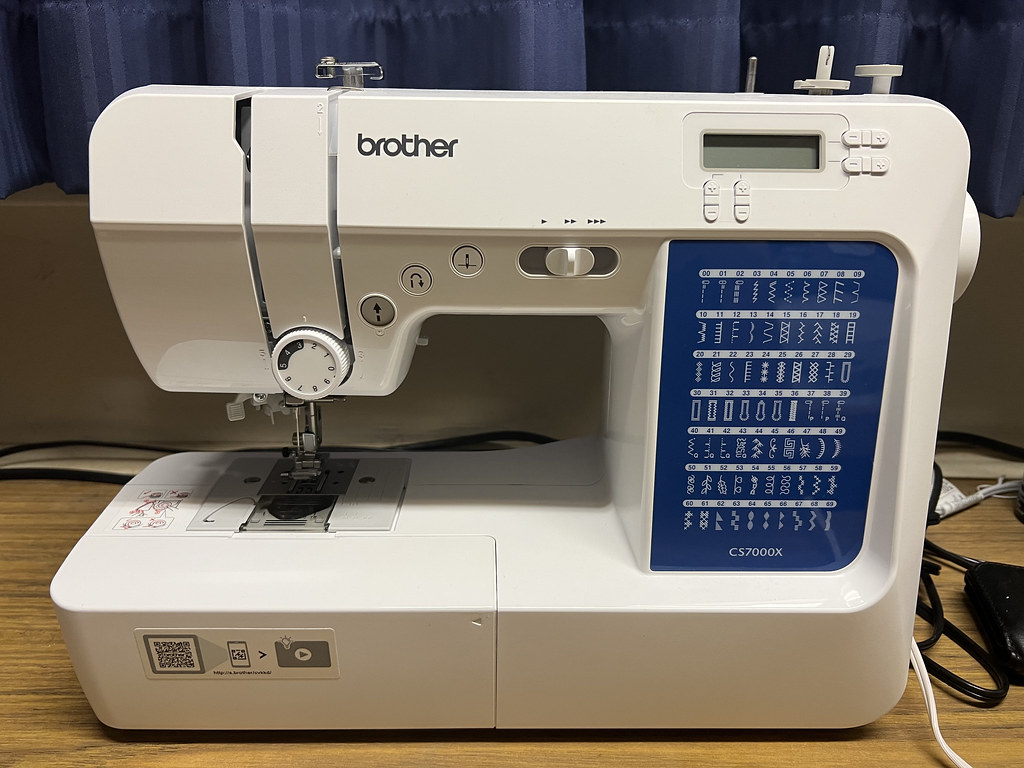
Brother CS7000X
For a first quilt, with the walking, piecing and free-motion feet already in the box.
Watch The More You Sew set up and sew on the Brother CS7000X

For beginners making a patchwork runner, the CS7000X comes with a set of tools for every step from piecing through binding. Use the quarter-inch piecing foot to join the blocks. Set the walking-foot guide for the distance you want between parallel lines across the basted layers. For curves you draw by hand, there’s a separate free-motion quilting foot. Brother makes these tools easy to identify by part number in its US accessory sheet. Brother’s included accessories.
How does the Brother handle a quilt sandwich?
Jessica Riconscente and the GearLab team tried two layers of cotton muslin with two layers of batting on a CS7000X they bought for testing. The sample stitched much as their lighter fabrics had. Quilters finishing a bed quilt should also try turning its center within the available throat space. GearLab’s CS7000X test.
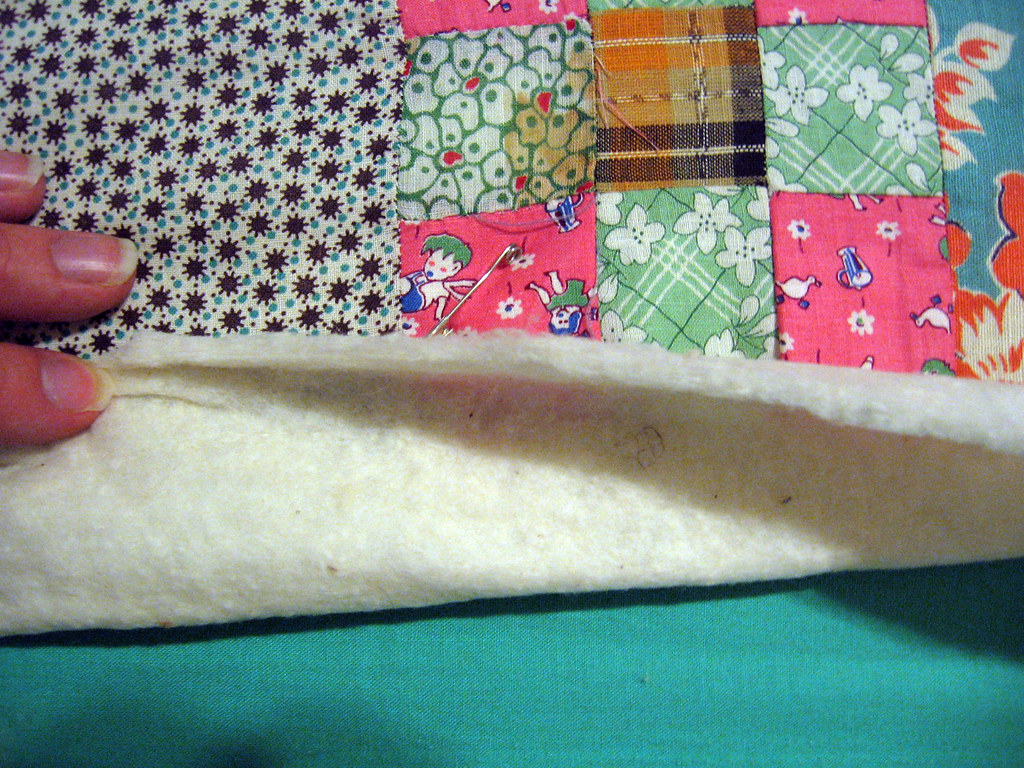
How much support does the Brother wide table add?
The detachable wide table supports the work beside the needle. Brother’s US specifications give no measurement for the opening under the arm. The machine weighs 10.5 pounds, reaches 750 stitches per minute and lets you set a speed limit for slower work. The presser-foot pressure is fixed, so test the stitch on a variety of fabrics if slippery layers often feature in your work. Brother CS7000X specifications.
Which sewing machine should a quilter take to class?
Janome 3160QDC-G with Bonus Quilt Kit
For guild meetings and quilting classes when a hard cover, extension table and thread cutter matter.
The 3160QDC-G weighs 12.6 pounds and comes with a hard cover and an extension table. Pack the table for classes that involve making long rows. For small blocks, leave it home to make more room on a shared work surface. For quilters sharing a table, the built-in thread cutter saves a reach for scissors. Needle-down holds the pivot point at corners. Janome’s 3160QDC-G specifications.
Which feet come with the Janome Bonus Quilt Kit?
The selected G-model includes Janome’s set of low-shank quilting tools. Its quarter-inch seam foot guides patchwork edges. The walking foot and quilting guide are for even feeding and parallel rows. The darning foot lets you try free motion with the feed dogs lowered. The kit also contains a cloth guide and an open-toe foot. Beginners can take the kit to class and pack just their favorite feet later. If a class lists a skill level but no presser foot, ask the teacher which technique you’ll use first. Janome’s kit contents.
Throat space measures 6.8 inches wide by 4.5 inches high. Quilters can piece a queen-size top two rows at a time. Finishing its center puts more work under the arm. Compare the opening with your folded quilt’s width and height. Janome workspace dimensions.
What do 3160QDC-G owners say about travel and fabric feed?
Two owners at Fabric Bash used the 3160QDC-G for different work. Gail Chapek bought hers for classes and travel. Diana Lamm found hers adequate for basic cotton sewing but disliked how it fed knits. Quilters who also make clothes should bring a strip of their usual knit as well as quilting cotton to test the machine. 3160QDC-G owner reviews at Fabric Bash.
Best straight-stitch quilting machine: JUKI TL-2010Q
JUKI TL-2010Q
For chain piecing, straight-line quilting and free-motion work when you already have zigzag covered.
The JUKI TL-2010Q is our pick for serious quilters who already own a zigzag machine and want a dedicated straight-stitch station. It makes one straight lockstitch. Its speed slider caps the pace for a short seam or allows up to 1,500 stitches per minute on a long run. A knee lift raises the foot and a heel press trims thread, leaving both hands on the quilt. JUKI’s TL-2010Q features.
Which stitch is the JUKI’s included quarter-inch foot for?
JUKI supplies an even-feed foot for layered seams and a quarter-inch quilting foot for free-motion work. A guided piecing foot serves a different purpose. Shelly of Ma Tante Quilting, who bought her machine in 2014, liked its stitch consistency and bought a guided piecing foot for her preferred scant quarter-inch seam. Whatever your skill level, stitch two scraps and measure the pressed block before spending money on another foot. Ma Tante Quilting’s owner review.
How do the JUKI’s throat space and table dimensions differ?
The JUKI’s throat space measures 8.5 inches wide by 6 inches high. That height gives quilters more room above a thick roll than either Janome here. The 23-by-13-inch measurement refers to the removable table. Choose a quilting machine with a variety of stitches if you also need ordinary zigzag for appliqué or built-in buttonholes for garments. JUKI arm and table dimensions.
Janome MC6650 offers more throat space for wide tops and appliqué
Janome Memory Craft 6650 with seven bonus presser feet
For wide quilt tops and decorative sewing on a permanent worktable.
Watch Janome Life demonstrate quilting techniques on the Memory Craft 6650
For quilters who make bed-size tops and decorative appliqué, two features justify the MC6650. The opening extends 10 inches to the right of the needle, and the machine offers 170 stitch selections, including nine one-step buttonholes. Keep your work flat on the bed, then set a blanket stitch for the next appliqué. The opening is 4.7 inches high. Measure the height of a bulky roll as well as its width. Janome MC6650 specifications.
Which features come standard, and which tools does the seven-foot bundle add?
The selected Amazon package adds a genuine even-feed foot for straight-line quilting and a Clear View quarter-inch foot for piecing, among its seven extra feet. A standard MC6650 already includes the convertible free-motion foot and a straight-stitch needle plate. Janome lists the even-feed foot and an extension table among its optional accessories. Check the bundle name before paying extra for either accessory.
For free motion, the included foot has interchangeable toes. The manual shows how to set foot height against the sandwich so it is easy to move the work beneath the needle. At 24.25 pounds, this Janome suits a dedicated table. If you carry a machine to a weekly group, the 3160QDC-G weighs roughly half as much. Janome’s MC6650 instruction book, page 76.
How did the MC6650 handle a real baby quilt?
Quilter Francesca Olsen described making a baby quilt on her MC6650 and adding the newborn’s name to the back. She liked the extra throat space and the way the machine quilted after she bought a walking foot. Starting small, starched pieces with the standard foot was harder on her machine. If your work includes tiny scraps, try a few starts before buying. Olsen’s MC6650 owner review.
Can you use a regular sewing machine for quilting?
Yes. A regular sewing machine can piece blocks and sew straight quilting lines with the right needle and foot. Quilters at any skill level can test their current machine on a basted sample. If the backing drags, support the work. If a thick roll still won’t turn, try a larger quilting machine. For making tops a longarm quilter will finish, your existing machine may do all the work you need.
How do you support a large quilt on a domestic machine?
Measure your sewing room with the chair pulled up to your new sewing machine. Leave more room behind the needle to support the work. For throat space, check needle-to-column width and clearance under the arm. Try 8.5 to 12 inches wide for finishing bed quilts. A smaller machine can still piece a king-size top block by block. A wide extension table supports heavy quilts at needle height. Catch the overhang on a surface to your left or behind you. JUKI’s workspace specifications.
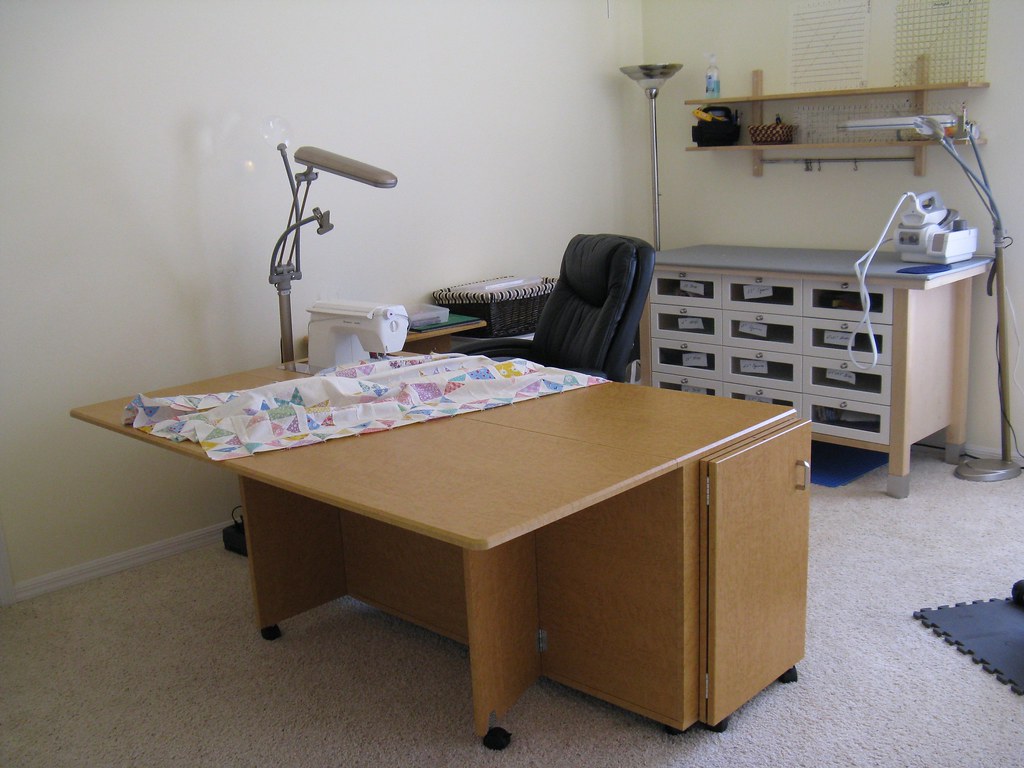
Which quilting machine features can you test at a local dealer?
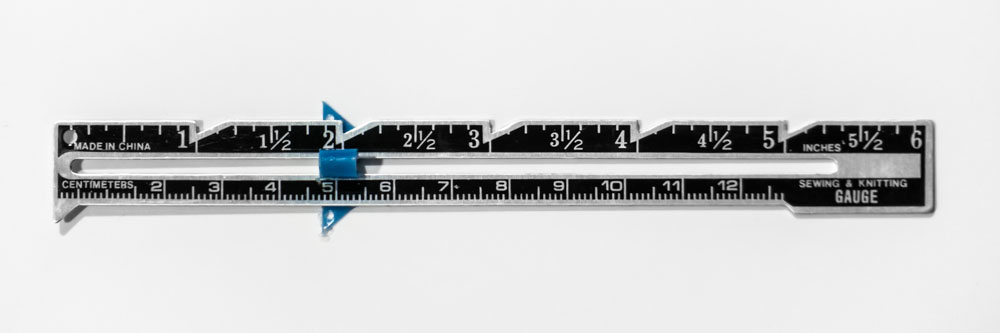
- Many quilters test machines at a local sewing dealer before purchasing. Set aside three 1½-inch-wide strips of quilting cotton for each stitch test. Using identical strips makes the results easy to compare. Join them along their long edges with two quarter-inch seams, press the seams to the sides and measure the center strip. It should be 1 inch wide. A narrower center means your seam allowance used too much fabric. Set the guide again and sew another sample. Illustrated quarter-inch seam test.
- Bring a basted sample of your top, batting and backing, too. Leave the feed dogs up. The walking foot advances the upper layers in step with the backing to limit shifting. Set the needle to stop down, lift the foot and pivot your work at a corner. For free-motion quilting, fit the appropriate foot and lower or cover the feed dogs as the manual directs. In free motion quilting, your hands move the fabric in any direction. Sew a few loops, then slow your hands and repeat them at the same needle speed to see the change in stitch length. Check both faces for puckers and uneven stitches. For beginners the best features are the ones that make a slow turn easy. Experienced quilters can compare stitch consistency as their usual batting turns. Walking-foot technique · Free-motion technique.
How much throat space does the center of your quilt need?
- Halfway across an 18-inch pillow, 9 inches lie to the needle’s right. Halfway across a 90-inch bed quilt, it’s 45 inches plus excess backing and batting. The work folds, so quilters need only enough throat space to turn that bundle smoothly. Test your quilting machine at the center. Binding an edge tells you little about the clearance you’ll need there.
- Set up this quilting test at home. Clip the center row of a finished quilt, arrange it under the needle with the machine off and trace the stitch line by hand. A lamp base, thread rack or wall can block the second half of a row.
Which cabinet features give you more room to work?
- Mark the machine’s footprint, the open extension leaf and the chair on the floor or tabletop with low-tack tape. Check that someone can pass behind the chair.
- In a shared dining room, try opening the leaf and putting the tools away without lifting the machine. BeckyF, whose cabinet is pictured here, raises the leaf for large projects and folds it for piecing. See BeckyF’s cabinet setup.
How do you set the height of your work surface and pedal?
- Sit as if you were guiding a quilt. The needle plate may sit several inches above the desk. OSHA recommends positioning the work near elbow height, keeping wrists straight and elbows close to the body. Adjust chair and surface together, then reach for the pedal. If a cabinet crossbar forces your knee aside, try a different position before buying. OSHA’s illustrated chair, table and pedal guidance.
- Instructor Lori Kennedy guides a free-motion curve within the small area between her hands. She stops needle-down to reposition them. At your current skill level, try that sequence with a familiar loop. If a fresh hand position immediately makes the curve easier, practice shorter sections before paying for more throat space. Kennedy’s free-motion hand-position demonstration.
How does batting change stitch spacing on a bed quilt?
- Set the spacing of your quilting lines from the batting label. Hobbs specifies no more than 4 inches for Heirloom Premium 80/20 Bleached Cotton Blend. The Warm Company allows 10 inches for Warm & Natural.
- Outlining 6-inch squares works for the latter. With the Hobbs batting, add a line down each square’s middle to halve the gap to 3 inches. That extra work comes from your batting choice. Hobbs spacing specifications and Warm & Natural spacing specifications.
Would extra throat space help at your current skill level?
- At any skill level, making a placemat lets you test a design before scaling up to a throw. Finish and wash the sample as you plan to wash the quilt. Keep the fabric, batting and design the same for the larger piece. Note where the work becomes awkward. If the long diagonal catches under the arm but a bulky seam stitches cleanly, compare throat space before motor speed.
- American Patchwork & Quilting starts a crosshatch on the longest diagonal and connects adjacent runs at the edges. Trace that route on your throw with a finger. It’s easy to spot the turn that carries the heaviest work into the throat space. Watch the crosshatch path demonstrated.
Could quilt-as-you-go postpone a bigger purchase?
Quilters making a sampler can layer each pieced block with batting and backing, quilt its motif, then join the blocks with sashing. As the rows grow, the intricate centers are already finished. Two practice blocks make it easy for quilters to judge the join on both sides. For a feather motif spanning several blocks, save the quilting for the assembled top so the line flows across the seams. Ashley Hough’s quilt-as-you-go joining demonstration.

Which quilting machine features matter for stitch quality?
Easy-to-use controls save time on a machine you stop and start all afternoon. On the 3160QDC-G, for example, memorized needle-down keeps a corner in place when you pause. You can pivot and keep sewing without turning the handwheel and lining up the same corner again.
What is the best stitch to use when quilting?

- Choose a straight stitch for patchwork seams and for lines sewn with the walking foot. It joins two cotton pieces securely and gives you a line you can check against the guide. For free motion quilting, select the straight stitch recommended in your manual and move the fabric yourself. For appliqué, compare a blanket stitch and a narrow zigzag on a scrap at your preferred stitch length. A multistitch model gives you both features.
- Check stitch quality in good light on both faces. A clean, uniform row has evenly spaced stitches and no loose loops on the back. For free motion quilting, repeat a small curve with a steady hand at the needle and let the scrap rest flat before comparing the results.
A quilting machine should make the speed and pivot features easy to reach while you support a quilt. That matters at any skill level. Set a comfortable speed limit for precision. A needle-down stop holds the pivot point. A knee lifter raises the presser foot hands-free. On the JUKI that lift is mechanical. Its pedal’s heel switch cuts thread. On some computerized models a programmable pedal lets you choose a shortcut. Adjustable foot pressure helps thick layers feed through without binding. Try a small pressure adjustment over a bulky seam. JUKI controls.
A basic mechanical machine appeals to quilters who want simple controls and a durable machine they can have serviced locally. It generally costs less and has straightforward manual adjustments for stitch length and width. For quilters who want years of use, parts and local service matter as much as built-in features. Computerized features add convenience and repeatability. The MC6650 can save a decorative stitch sequence in five memory banks, yet its upper tension is manual. The 8200QCP Special Edition offers automatic tension. A variety of stitches is ideal for appliqué. For serious quilters making straight seams, consistent stitch quality matters more than the size of the menu. Janome MC6650 specifications and 8200QCP SE features.
Mechanical or computerized: which features will you use?
On a mechanical sewing machine you can see where the stitch-length dial is set before you start. Beginners may value that simplicity. Experienced quilters often value the convenience of leaving a second machine threaded for straight seams. For durability, ask the dealer who services the machine and whether wear parts are available. A metal frame or a long stitch list alone cannot tell you how long a machine will work for your particular project load. SINGER 4452 controls and frame.

How much throat space is enough for a bed quilt?

- Experienced quilters who finish bed quilts frequently may want to try a BERNINA Q 20 at a dealer. Its 20-inch throat gives a large quilt more room. You guide the fabric on a sit-down table or move the head on a compatible frame. A domestic quilting machine can still handle the piecing and binding work. BERNINA Q 20 configurations.
- For a domestic machine with wide throat space, the Baby Lock Jazz II (Jazz 2) provides 12 inches to the right of the needle. Another option known for its large throat space is the Janome 8200QCP Special Edition, sometimes shortened to 8200QCSE. Its 11-inch opening and detachable dual feed help quilters handle long borders. Baby Lock Jazz II specifications and Janome’s exact US model.
- The bernette b79 is a combination sewing and embroidery machine with three hoops for monograms and quilt labels. For beginners with a budget under $500, the Brother SQ9285 was available below that figure at Walmart US on November 24, 2026. It includes the walking, quarter-inch and spring-action quilting feet. Compare the price of those tools as a set before choosing a bare machine. bernette b79 specifications, Brother’s accessory list and the SQ9285 offer.
Which tools are worth buying with your quilting machine?

- A walking foot advances the upper layers in step with the feed dogs to prevent shifting or puckering. If two cotton strips start even and finish at different lengths, stitch a second pair with the walking foot. Compare the ends before pressing. Janome’s even-feed foot.
- Set out the pattern and list the tools your work requires. If a longarm quilter will finish the top, a clear seam guide and spare bobbins will see more work than a ruler foot. For home quilting, budget for batting and the tools your stitch technique requires. The CS7000X already supplies four bobbins including the installed one, a guide and three piecing and quilting feet. Brother’s US packing list.
- When buying used, ask the seller to lay out the complete set of tools. A photo of the feet and their part numbers is more useful than a claim that the package is “quilting ready.” On the Janome 3160QDC-G, you can match the walking foot and its guide, quarter-inch seam foot, darning foot, open-toe foot and cloth guide against Janome’s illustrated kit before pricing missing tools. Janome quilting kit.
Which presser foot goes with each quilting technique?
| Job | Foot to try | Watch the fabric here |
|---|---|---|
| Piece two blocks | Quarter-inch seam foot | Follow the raw edges at the guide and measure the seam after pressing. |
| Quilt straight lines through layers | Walking or even-feed foot | Compare the top and backing at the end of the row. Both should lie flat. |
| Draw curves in free motion | Compatible free-motion or darning foot | Lower or cover the feed dogs as the manual specifies. Move the layers together by hand. |
Check the machine manual before fitting a new foot or changing the needle position. A narrow straight-stitch opening and a wide zigzag stitch are an incompatible combination. Use the plate and foot specified for the stitch you selected. Janome MC6650 needle plates and presser feet.
What can quilters learn in a ten-minute test?
- Bring identical palm-sized patchwork samples with a seam intersection. Sew across it to check piercing power at the thickest point. Stop on a chalk mark, pivot, then change to a free-motion foot. Repeat that change yourself on both machines. At your skill level, could you reach each control while supporting the work?
- Write three observations on each sample. Could you see the mark until the needle reached it? Was the foot change easy without having to move your work? Could you retrieve the bobbin without dismantling your work area? If one transition took two hands, an awkward reach and a screwdriver, weigh that against how often you make the switch. That tells you which features will earn their keep in everyday work.
Which pedal features suit hand finishing and piecing?
Set the pedal where you work, with the machine and chair in their usual sewing positions. On the JUKI, a heel press trims both threads, so quilters piecing short seams can leave the scissors with their other tools. For hand finishing, practice releasing the pedal without trimming. The separate button cuts when you want it to. Making rows of blocks and making decorative stops every few inches put different demands on the pedal. JUKI pedal and trimming controls.
What does a tangled test stitch tell you?
- Record which side shows the problem before changing the tension. Two different colors of the same weight and type of thread make a straight-stitch test easy to read. On the CS7000X, a tangle underneath can start in the upper threading path.
- Brother directs the owner to rethread with the presser foot raised and the needle in the correct raised position. When the bobbin thread is pulled to the top, Brother also points to checking the bobbin installation. Set the original stitch length and sew another line on the same scrap after correcting the threading. Brother’s illustrated tension guide.
Which setup keeps a row of small seams consistent?
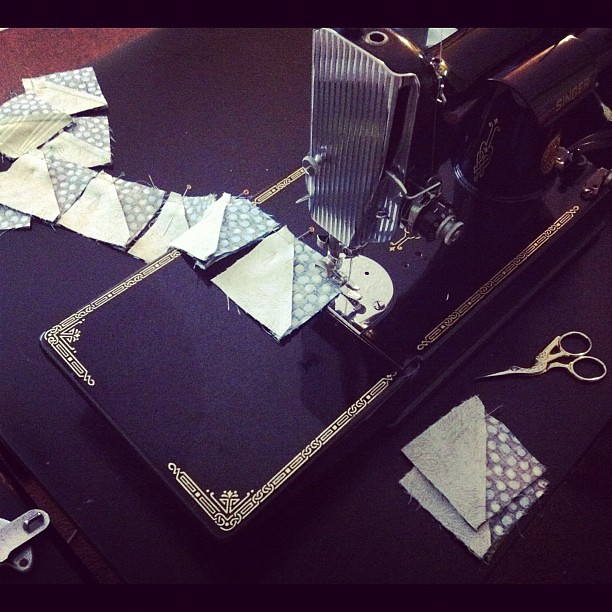
- Look where the fabric edge meets the guide just ahead of the needle. A fixed flange gives your eye a reference, but pressing the edge sideways can distort a little triangle. Experienced quilters who like a clear view may prefer plate markings. Beginners may find the flange an easy guide to follow.
- Whatever your skill level, check the stitch line against the raw edge. Press and measure the unit the same way the pattern instructs before sewing the rest of the batch. A tiny difference in every seam grows across a row of stars. Lee Heinrich’s patchwork foot comparison for BERNINA.
How does the machine handle binding at a corner?

- Quilters can test a machine’s features on the thickest corner of a placemat before committing to the work. Fold the binding lengthwise and align its raw edges with the quilt. For a quarter-inch seam, stop a quarter inch from the corner.
- Fold the strip away at 45 degrees and back along the next edge. Can you see where to set the first stitch? Turn the binding over and check that it covers the attachment seam. Faith Jones’s illustrated binding method for BERNINA.
How do you choose a quilting machine at your skill level?
Which step in your last quilt would you pay to make easier? Beginners making a baby quilt may need help feeding the layers evenly. For a second bedspread, the challenge may be turning the top inside the arm. A skill level printed on a box tells you little about either job.
Which features work for both patchwork and clothing?
If you also make clothes, consider what follows the straight seam. Buttonholes, zigzag edge finishes and blanket-stitch appliqué call for a multistitch machine. The Brother and both Janomes cover those jobs. Choose the CS7000X for a first quilt with feet included, or the MC6650 when a bed quilt needs more throat space.
A second sewing station for experienced quilters
If your machine makes a good buttonhole, a straight-stitch second station can earn its space. Experienced quilters making scrappy borders can keep one machine threaded for piecing while quilting the top on the other. For quilters sharing a table, consider the work of moving and threading each machine. The convenience of keeping a walking foot ready on the JUKI is greatest where it can stay set up.
Is Brother or Singer a better sewing machine for quilting?
For beginners choosing specifically between the Brother CS7000X and the SINGER Heavy Duty 4452, compare the features and tools you will use first. Both US packages list a walking foot, so either gives you a way to quilt parallel lines. Brother also lists a quarter-inch piecing foot and a free-motion quilting foot. SINGER lists an edge guide and a nonstick foot, handy if other sewing projects include materials such as vinyl. If you want to learn all three quilting techniques immediately with the included tools, choose the Brother. If you already own a 4452, try its walking foot on your first quilt before spending money on a replacement. SINGER 4452 included accessories and Brother CS7000X foot list.
What should you check before ordering a sewing machine online?
- Check the exact model, seller and written accessory list. A photo of a machine with a table doesn’t prove the table is included. Look for the Bonus Quilt Kit with the 3160QDC-G and the seven-foot seller bundle with the MC6650.
- Keep the list with your receipt and check each item as you unpack. Ask the manufacturer about part numbers before counting older feet toward the value of a new set.
Who handles a repair or a missing accessory?
Quilters buying online should ask who supplies a missing bundle foot and where the machine goes for service. Seller-added extras can differ from standard equipment. Janome’s US warranty covers the original purchaser buying from an authorized dealer. Its FAQ directs first-year warranty work to the selling dealer. Confirm authorization and shipping arrangements, then keep the invoice and service contact easy to find. For an included lesson, ask whether it covers setup or a project at your skill level. Janome America warranty and service FAQ.
Which quilting machine would we buy?
For a first throw, we’d choose the CS7000X. Serious quilters who already own a reliable piecing machine should bring their bulkiest project to a JUKI and MC6650 demonstration. Choose the throat space that lets you turn the center of your quilt smoothly, with its weight supported on the table.
How did we compare these sewing machines?
We checked each Amazon US package against the manufacturer’s manual and accessory list. For stitch quality and everyday handling, we cite GearLab’s test on batting, Janome owners’ reports and a JUKI owner’s long-term experience. Each observation identifies the model and the person who used it. How Best Suggestions chooses products.